Breathing Based Meditation Methods for Instant Relaxation
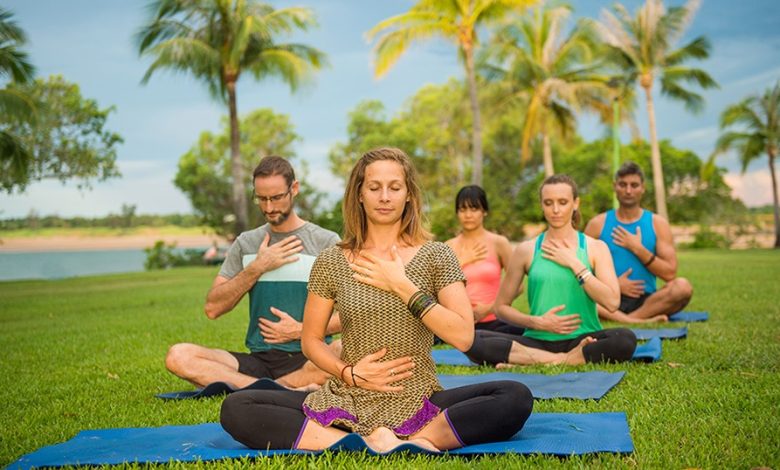
Breathing-based meditation is one of the fastest and most accessible ways to relax the mind and body. Because breathing is always with you, these methods can be practiced anywhere—at your desk, before sleep, or during stressful moments. By consciously regulating the breath, you signal the nervous system to slow down, creating a sense of calm within minutes.
Why Breathing Has a Powerful Calming Effect
Breathing is directly connected to the autonomic nervous system, which controls stress and relaxation responses. Shallow, rapid breaths activate the stress response, while slow, intentional breathing activates the body’s natural relaxation mode.
How Breath Awareness Helps
-
Lowers heart rate and blood pressure
-
Reduces muscle tension
-
Quietens racing thoughts
-
Improves oxygen flow to the brain
-
Enhances present-moment awareness
Core Principles of Breathing Meditation
Before exploring specific methods, it helps to understand a few foundational principles that apply to all breathing-based meditation practices.
-
Comfort over control: The breath should feel natural, not forced
-
Gentle focus: When the mind wanders, return attention to the breath
-
Rhythm matters: Slow, steady breathing is more effective than deep, strained breaths
-
Consistency: Even short daily practice builds lasting benefits
Simple Breathing Meditation Techniques for Instant Relaxation
1. Natural Breath Awareness
This is the most basic and beginner-friendly technique.
How to practice:
-
Sit or lie down comfortably
-
Close your eyes and observe your natural breathing
-
Notice the inhale and exhale without changing them
-
Gently bring attention back whenever the mind drifts
This method is ideal for mental grounding and calming emotional overwhelm.
2. Deep Belly Breathing
Also known as diaphragmatic breathing, this technique shifts breathing from the chest to the abdomen.
Steps:
-
Place one hand on your chest, the other on your belly
-
Inhale slowly through the nose, feeling the belly rise
-
Exhale through the mouth, letting the belly fall
-
Repeat for 5–10 minutes
This practice is highly effective for reducing anxiety and physical tension.
3. Box Breathing Technique
Box breathing introduces a structured rhythm that quickly stabilizes the nervous system.
Breathing pattern:
-
Inhale for 4 seconds
-
Hold for 4 seconds
-
Exhale for 4 seconds
-
Hold for 4 seconds
Repeat this cycle several times to restore mental clarity and emotional balance.
4. Extended Exhale Breathing
Lengthening the exhale naturally activates relaxation responses.
How it works:
-
Inhale through the nose for 4 seconds
-
Exhale slowly through the mouth for 6–8 seconds
-
Continue for several minutes
This method is especially useful during moments of acute stress or panic.
5. Counting the Breath
Counting adds a gentle anchor for the mind.
Practice method:
-
Inhale and silently count “one”
-
Exhale and count “two”
-
Continue up to ten, then restart
-
If you lose count, simply begin again
This technique improves focus while calming mental chatter.
Best Times to Practice Breathing Meditation
Breathing-based meditation can be adapted to nearly any moment of the day.
-
Early morning to set a calm tone
-
Midday to reset during work stress
-
Evening to unwind before sleep
-
During anxiety or emotional overload
-
Before important conversations or decisions
Common Mistakes to Avoid
-
Forcing the breath unnaturally
-
Trying to stop thoughts instead of observing them
-
Expecting instant perfection
-
Practicing only when stressed instead of daily
-
Slouching, which restricts natural breathing
How Long Does It Take to Feel Results?
Most people experience noticeable relaxation within 2–5 minutes of focused breathing. With regular practice, the body learns to enter a calm state more quickly and effortlessly.
Integrating Breathing Meditation Into Daily Life
You don’t need a quiet room or long sessions. Even mindful breathing while waiting in line, walking, or sitting in traffic can have a powerful calming effect. Over time, these small moments add up to improved emotional resilience and mental clarity.
Frequently Asked Questions (FAQs)
1. Can breathing meditation work immediately during anxiety?
Yes, slow and controlled breathing can calm the nervous system within minutes, making it effective during anxious moments.
2. Do I need to sit in a specific posture?
No, breathing meditation can be done sitting, lying down, or even standing, as long as your breathing feels unrestricted.
3. Is breathing meditation suitable for beginners?
Absolutely. Breathing-based methods are often recommended as the easiest entry point into meditation.
4. How often should I practice breathing meditation?
Daily practice is ideal, even if it’s just 5 minutes at a time.
5. Can breathing meditation improve sleep quality?
Yes, especially techniques with longer exhales, which help the body relax before sleep.
6. Is it normal for thoughts to keep appearing?
Yes. The goal isn’t to stop thoughts but to gently return attention to the breath each time.
7. Can I combine breathing meditation with other practices?
Yes, breathing meditation pairs well with mindfulness, body scans, and guided relaxation techniques.