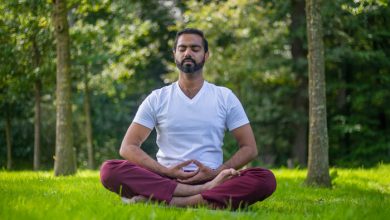
Meditation: Unlocking the Full Potential of Mind and Body

Meditation has transcended its ancient spiritual roots to become a cornerstone of modern wellness. As a deliberate practice of focusing the mind and cultivating awareness, meditation offers profound benefits across mental, emotional, and physical dimensions. From improving cognitive function to reducing stress-related ailments, meditation is increasingly recognized as a scientifically backed method for enhancing overall well-being. In this article, we will explore the science, techniques, and practical applications of meditation, providing evidence-based insights for readers seeking a deeper understanding.
Understanding Meditation: Beyond Mindfulness
Meditation is not a one-size-fits-all practice. It encompasses a range of techniques designed to promote mental clarity, emotional stability, and physiological balance. Fundamentally, meditation involves training attention and awareness to achieve a mentally clear and emotionally calm state. While mindfulness meditation is widely popular, there are several other forms, each with its own objectives and benefits.
Types of Meditation
- Mindfulness Meditation: Focuses on being fully present in the moment, observing thoughts and sensations without judgment. Research shows it reduces stress and enhances emotional regulation.
- Transcendental Meditation: Uses the repetition of a mantra to help the practitioner transcend ordinary thought processes, promoting deep relaxation and reduced cortisol levels.
- Loving-Kindness Meditation (Metta): Encourages cultivating compassion and positive emotions towards oneself and others, shown to improve social connectedness and emotional resilience.
- Body Scan Meditation: Directs attention systematically through different parts of the body, fostering awareness of tension and promoting relaxation.
- Zen Meditation (Zazen): Involves seated meditation with focused attention on posture and breathing, aimed at fostering insight and calmness.
- Movement Meditation: Practices like Tai Chi, Qigong, or walking meditation integrate mindful movement to harmonize mind and body.
Each type of meditation engages the nervous system differently, leading to a variety of cognitive and physiological outcomes.
The Science of Meditation
Scientific studies have increasingly validated the benefits of meditation, linking it to changes in brain structure, hormonal balance, and immune function.
Neuroplasticity and Cognitive Function
Meditation encourages neuroplasticity, the brain’s ability to reorganize itself. Regular practice has been associated with:
- Increased gray matter density in regions responsible for attention, memory, and emotional regulation.
- Enhanced prefrontal cortex activity, supporting decision-making and executive functions.
- Improved connectivity between brain networks, facilitating a more adaptive response to stress.
These structural and functional changes contribute to improved focus, learning capacity, and emotional stability.
Stress Reduction and Hormonal Balance
Meditation has a profound impact on the stress response system. Research indicates:
- Significant reductions in cortisol, the primary stress hormone, after consistent meditation practice.
- Modulation of the sympathetic nervous system, leading to decreased heart rate and blood pressure.
- Enhanced activity in the parasympathetic nervous system, which promotes relaxation and recovery.
As a result, meditation not only alleviates mental stress but also mitigates stress-related health risks, such as cardiovascular disease.
Immune Function and Physical Health
Studies have shown meditation can strengthen immune function and promote overall health:
- Increased production of antibodies and improved response to vaccines.
- Reduction in inflammatory markers, potentially lowering the risk of chronic diseases.
- Enhanced regulation of pain perception, contributing to better management of chronic conditions like fibromyalgia or arthritis.
Meditation’s physiological effects extend beyond relaxation, supporting long-term health maintenance.
Incorporating Meditation into Daily Life
Integrating meditation into a daily routine requires intentionality, consistency, and adaptability to individual lifestyles. Here are practical strategies:
Establishing a Routine
- Start Small: Begin with 5-10 minutes daily and gradually increase duration.
- Set a Consistent Time: Early mornings or evenings often provide quiet, uninterrupted moments.
- Create a Dedicated Space: A calm, clutter-free environment enhances focus and reduces distractions.
Techniques for Beginners
- Breathing Focus: Pay attention to inhalation and exhalation patterns. This foundational technique stabilizes the mind.
- Guided Meditation: Audio recordings or apps can help direct attention and provide structured practice.
- Journaling Post-Session: Documenting experiences increases self-awareness and tracks progress.
Overcoming Common Challenges
- Mind Wandering: Gently bring attention back without self-criticism.
- Restlessness: Incorporate movement-based meditation or shorter, more frequent sessions.
- Consistency: Pair meditation with existing habits, such as after morning coffee or before bedtime.
Meditation and Emotional Intelligence
Beyond physiological benefits, meditation enhances emotional intelligence (EQ), the ability to perceive, understand, and manage emotions.
- Increases self-awareness, helping identify emotional triggers and habitual reactions.
- Improves self-regulation, allowing more deliberate responses in challenging situations.
- Enhances empathy and social skills, particularly through practices like loving-kindness meditation.
- Fosters resilience, enabling individuals to recover more effectively from adversity.
Developing EQ through meditation not only benefits personal well-being but also strengthens professional relationships and leadership capabilities.
Advanced Practices and Long-Term Benefits
For dedicated practitioners, advanced meditation can produce transformative effects:
- Deep States of Focus: Long-term practice improves sustained attention and cognitive clarity.
- Altered Consciousness: Certain meditative states reduce the sense of self, promoting a broader perspective and mental flexibility.
- Longevity and Aging: Preliminary studies suggest meditation may influence telomere length, a marker of cellular aging, and support healthier aging trajectories.
These benefits highlight meditation not merely as a stress reduction tool, but as a lifestyle practice that nurtures cognitive, emotional, and physical longevity.
Meditation in the Workplace and Education
Meditation is increasingly applied in professional and educational contexts:
- Corporate Settings: Programs like mindfulness workshops improve productivity, reduce burnout, and enhance employee satisfaction.
- Schools and Universities: Meditation-based curricula support focus, emotional regulation, and academic performance.
- Healthcare Environments: Clinicians practicing meditation report reduced stress and improved patient care outcomes.
These applications demonstrate meditation’s potential to create systemic benefits across society.
Frequently Asked Questions About Meditation
How long should I meditate to see benefits?
Even 10-20 minutes daily can produce noticeable improvements in stress levels, focus, and emotional regulation. Long-term, consistent practice yields more profound neurological and physiological changes.
Can meditation help with anxiety and depression?
Yes, meditation, especially mindfulness and loving-kindness practices, has been shown to reduce symptoms of anxiety and depression, often comparable to conventional therapies when combined with professional guidance.
Do I need to sit cross-legged or in a special posture?
While traditional postures can enhance focus, meditation is adaptable. Sitting in a chair, lying down, or even walking mindfully are effective, provided the spine remains upright and alertness is maintained.
Can children practice meditation effectively?
Children can benefit from age-appropriate meditation, including breathing exercises, guided imagery, or short mindful activities. These practices improve attention, emotional regulation, and stress resilience.
Is meditation a religious practice?
While meditation has spiritual origins, it is secular and science-backed in modern contexts. Practices can be adapted to personal beliefs or used purely for mental and physical health.
How do I know if I’m meditating correctly?
Meditation is experiential, and there is no strict “right” or “wrong.” Success is measured by increased awareness, calmness, and focus, not by achieving a blank mind.
Can meditation improve sleep quality?
Yes, meditation enhances sleep by reducing stress, calming the nervous system, and improving circadian rhythm regulation, making it a natural remedy for insomnia and restless sleep.
Conclusion
Meditation is a multifaceted practice that nurtures the mind, body, and spirit. Its benefits extend from immediate stress reduction to long-term improvements in cognitive function, emotional intelligence, and physical health. By exploring various techniques and integrating them thoughtfully into daily life, individuals can unlock profound potential for personal growth, resilience, and overall well-being. Whether approached as a tool for mental clarity, emotional balance, or physiological health, meditation offers a scientifically validated path to living more consciously and fully.
Meditation is more than a trend—it is an enduring practice with tangible, evidence-based benefits that empower individuals to navigate life with focus, calm, and compassion.