Meditation: Unlocking the Power of Mindful Awareness
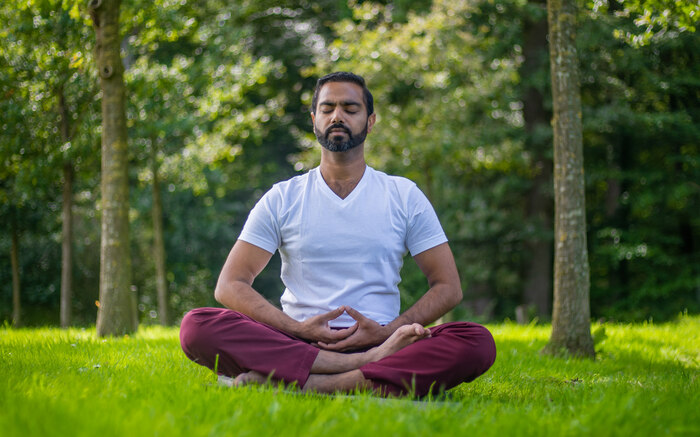
Meditation has evolved from an ancient spiritual practice into a scientifically validated tool for enhancing mental, emotional, and physical well-being. Today, meditation is more than just a moment of stillness—it is a deliberate, evidence-backed method to cultivate awareness, reduce stress, and improve cognitive and emotional functioning. Whether practiced in a quiet room, at the workplace, or even during walking, meditation can transform daily life in profound ways.
The Science Behind Meditation
Over the past few decades, neuroscience and psychology have increasingly explored how meditation impacts the brain and body. Studies have demonstrated that meditation influences the prefrontal cortex, responsible for decision-making and emotional regulation, and reduces activity in the amygdala, the brain’s center for fear and stress responses. Regular practice strengthens neural connections, enhancing focus, empathy, and resilience to stress.
Key Physiological Effects
- Reduced Cortisol Levels: Meditation lowers cortisol, the hormone linked to chronic stress, promoting relaxation and emotional stability.
- Improved Heart Health: Techniques like mindful breathing have been associated with lower blood pressure and a reduced risk of heart disease.
- Enhanced Immune Function: Meditation can modulate immune response, increasing resistance to infections and promoting overall health.
- Neuroplasticity: Long-term meditators show increased gray matter in brain regions tied to memory, self-awareness, and compassion.
Types of Meditation and Their Applications
Meditation is not a one-size-fits-all practice. Each style addresses different aspects of mind and body wellness.
Mindfulness Meditation
Mindfulness meditation involves observing thoughts, sensations, and emotions without judgment. It encourages presence and acceptance. This practice is particularly effective for:
- Reducing anxiety and depression
- Enhancing emotional regulation
- Improving attention span and cognitive flexibility
Practical Tip: Begin with 10–15 minutes daily, focusing on your breath and acknowledging passing thoughts without attachment.
Concentration Meditation
This technique requires focused attention on a single object, sound, or visualization. Common examples include mantra meditation or candle-gazing practices.
- Enhances mental clarity and focus
- Supports goal-directed cognitive tasks
- Reduces mind-wandering and impulsivity
Loving-Kindness Meditation (Metta)
Loving-kindness meditation cultivates empathy, compassion, and positive social emotions. It typically involves silently repeating phrases wishing well-being and happiness for oneself and others.
- Boosts emotional intelligence
- Reduces anger and hostility
- Strengthens social bonds
Body Scan Meditation
A body scan is a form of mindfulness meditation where attention sequentially moves through body parts, noticing sensations without judgment.
- Alleviates chronic pain
- Increases bodily awareness
- Promotes deep relaxation and sleep quality
Movement-Based Meditation
Yoga, Tai Chi, and Qigong combine movement with mindfulness, breathing, and awareness.
- Improves flexibility, strength, and balance
- Reduces tension and muscular stress
- Integrates mind-body awareness for holistic health
Meditation and Cognitive Enhancement
Meditation is increasingly recognized for its role in cognitive enhancement. Neuroscientific research indicates improvements in memory, learning, and executive functions. Regular meditators demonstrate:
- Higher working memory capacity
- Faster processing speed
- Greater mental resilience under pressure
This makes meditation a practical tool for students, professionals, and anyone seeking sustained cognitive performance.
Emotional Benefits of Meditation
One of the most profound effects of meditation lies in emotional regulation. By observing thoughts without immediate reaction, meditators cultivate:
- Reduced reactivity to stressors
- Enhanced mood stability
- Increased self-compassion
- Greater empathy towards others
These emotional benefits are critical in professional environments, relationships, and personal growth.
Meditation and Physical Health
While often associated with mental well-being, meditation has measurable physical health benefits:
- Cardiovascular Health: Consistent practice lowers heart rate and blood pressure.
- Pain Management: Meditation activates neural pathways that reduce the perception of pain.
- Digestive Health: Stress reduction supports gut health and reduces inflammation.
- Sleep Improvement: Techniques like body scans and mindfulness meditation promote restorative sleep.
Integrating Meditation into Daily Life
Incorporating meditation into a busy lifestyle requires flexibility and consistency. Consider the following strategies:
- Micro-Meditations: 1–5 minutes of mindful breathing during breaks.
- Morning Rituals: Start the day with guided meditation to set intention and clarity.
- Mindful Commuting: Observe surroundings and bodily sensations during travel.
- Evening Reflection: Journaling combined with meditation can reinforce self-awareness.
Consistency is more important than duration. Short, regular sessions are more effective than occasional long sessions.
Common Challenges and Solutions
Even seasoned practitioners face obstacles. Understanding these challenges helps maintain practice:
- Restless Mind: Focus on the breath or a mantra to anchor attention.
- Time Constraints: Micro-meditation throughout the day can compensate for longer sessions.
- Discomfort: Adjust posture or use cushions for support.
- Impatience: Approach meditation as a process rather than a goal.
Emerging Research and Future Directions
Cutting-edge research explores meditation’s impact on genetics, epigenetics, and chronic disease management. Preliminary studies suggest meditation may influence gene expression related to inflammation, indicating profound implications for long-term health. Research also examines meditation apps and virtual reality interventions as scalable tools for global wellness.
Meditation and Workplace Productivity
Organizations increasingly recognize meditation for its role in employee well-being and productivity. Benefits include:
- Reduced workplace stress
- Improved focus and problem-solving
- Enhanced teamwork and communication
- Lower absenteeism and burnout rates
Incorporating mindfulness programs or designated meditation breaks can foster a healthier and more productive work culture.
Advanced Meditation Practices
For those looking to deepen their practice, advanced techniques include:
- Vipassana: Insight meditation focusing on impermanence and self-awareness.
- Zen (Zazen): Seated meditation emphasizing posture, breath, and observation of thoughts.
- Transcendental Meditation: Mantra-based practice designed for deep mental rest and heightened awareness.
These practices require dedication and often guidance from experienced teachers to maximize benefits.
Frequently Asked Questions (FAQs)
1. How long does it take to see benefits from meditation?
Benefits can appear within a few weeks, with noticeable stress reduction, improved focus, and better emotional regulation. Long-term practice amplifies cognitive and physical benefits.
2. Can meditation help with anxiety and depression?
Yes, multiple studies show mindfulness and loving-kindness meditation reduce symptoms of anxiety and depression by promoting awareness and acceptance of thoughts and emotions.
3. Is it necessary to meditate in silence?
Not necessarily. Meditation can be guided with audio, music, or in group settings. Silence enhances focus but is not mandatory.
4. How do I maintain consistency in meditation practice?
Set a daily schedule, use reminders, start with short sessions, and integrate meditation into routines like commuting or before bed.
5. Can children benefit from meditation?
Absolutely. Age-appropriate mindfulness techniques improve attention, emotional regulation, and social skills in children and adolescents.
6. Are there physical risks associated with meditation?
Meditation is generally safe. Discomfort may occur due to prolonged sitting, which can be managed with posture adjustments, cushions, or standing/walking variations.
7. What is the best type of meditation for beginners?
Mindfulness meditation is recommended due to its simplicity, adaptability, and evidence-backed benefits.
Conclusion
Meditation is more than a calming practice—it is a scientifically supported path toward improved mental clarity, emotional resilience, and physical health. Its versatility allows for integration into any lifestyle, making it accessible and sustainable. By embracing meditation, individuals can cultivate a life of mindful awareness, reduced stress, and enhanced well-being, unlocking potential that extends across personal and professional domains.