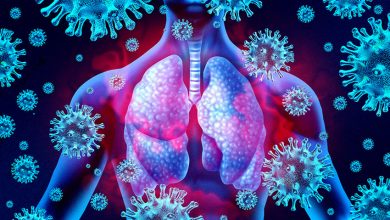
How Stress Affects Immune Function

Stress is a normal part of life, but when it becomes persistent, it can quietly undermine the body’s defense system. Scientific research consistently shows that stress and immune function are deeply interconnected, influencing how well the body detects and fights infections, heals wounds, and maintains overall health.
Understanding this connection helps explain why people under prolonged stress often get sick more frequently and recover more slowly.
Understanding Stress and the Immune System
Stress is the body’s natural response to physical, emotional, or psychological challenges. When a threat is perceived, the brain activates a chain reaction involving the nervous and endocrine systems.
The immune system, on the other hand, is a complex network of cells, tissues, and organs that protects the body against pathogens such as bacteria, viruses, and toxins. Ideally, it operates in balance—strong enough to fight invaders, but regulated enough to avoid damaging healthy tissue.
When stress disrupts this balance, immune efficiency declines.
Acute Stress vs. Chronic Stress
Not all stress affects immunity in the same way. The duration and intensity of stress are critical factors.
Acute Stress
Short-term stress, such as preparing for an exam or responding to an emergency, can temporarily enhance immune activity. This response evolved to help the body deal with immediate threats.
Chronic Stress
Long-term stress—caused by ongoing work pressure, financial strain, or unresolved emotional distress—has the opposite effect. Chronic stress suppresses immune defenses, leaving the body more vulnerable to illness.
Hormonal Changes That Weaken Immunity
Stress triggers the release of hormones, particularly cortisol and adrenaline. While helpful in short bursts, elevated cortisol levels over time interfere with immune regulation.
Key effects include:
-
Reduced white blood cell production, limiting the body’s ability to fight infections
-
Inhibited inflammation control, impairing healing and tissue repair
-
Suppressed antibody response, weakening long-term immunity
Over time, these changes can significantly compromise immune resilience.
Impact of Stress on Inflammation
Chronic stress alters how the immune system manages inflammation. Instead of responding precisely, the body may remain in a state of low-grade, persistent inflammation.
This imbalance is associated with:
-
Increased susceptibility to infections
-
Slower wound healing
-
Higher risk of inflammatory and autoimmune conditions
Inflammation becomes less effective as a defense mechanism and more damaging to overall health.
Stress and Increased Risk of Illness
People experiencing prolonged stress are more likely to develop health problems linked to immune dysfunction, including:
-
Frequent colds and respiratory infections
-
Gastrointestinal disorders
-
Reactivation of dormant viruses
-
Poor response to vaccines
Stress does not directly cause disease, but it lowers immune resistance, making illness more likely when exposed to pathogens.
Behavioral Effects That Further Suppress Immunity
Stress also influences lifestyle behaviors that indirectly weaken immune function.
Common stress-related habits include:
-
Poor sleep quality or insomnia
-
Unbalanced or skipped meals
-
Reduced physical activity
-
Increased use of alcohol or tobacco
These behaviors compound the biological effects of stress, creating a cycle that further impairs immune health.
Supporting Immune Function Under Stress
Managing stress is not just about mental well-being—it is essential for immune strength. Evidence-based strategies can help restore balance.
Effective approaches include:
-
Regular physical activity to regulate stress hormones
-
Adequate sleep to support immune cell repair and regeneration
-
Mindfulness practices, such as meditation or controlled breathing
-
Strong social connections, which reduce perceived stress levels
Consistent stress management can gradually improve immune responsiveness and overall health.
Why the Mind–Body Connection Matters
The relationship between stress and immunity highlights the importance of treating mental and physical health as inseparable. Emotional strain sends biological signals that influence immune behavior, proving that psychological stress has measurable physiological consequences.
Addressing stress early can prevent long-term immune suppression and support better health outcomes.
Frequently Asked Questions (FAQs)
Can stress permanently damage the immune system?
Chronic stress can weaken immune function over time, but the effects are often reversible with proper stress management and lifestyle changes.
Does stress affect everyone’s immune system the same way?
No, individual responses vary based on genetics, coping mechanisms, overall health, and duration of stress exposure.
Can stress reduce vaccine effectiveness?
Yes, prolonged stress may weaken antibody responses, potentially lowering vaccine effectiveness in some individuals.
How quickly does stress impact immune function?
Hormonal changes can occur within minutes, but noticeable immune suppression typically develops with ongoing or repeated stress.
Is mental stress as harmful as physical stress to immunity?
Both types activate similar biological pathways and can negatively affect immune function when chronic.
Can improving sleep help counteract stress-related immune suppression?
Yes, quality sleep plays a crucial role in immune regulation and can significantly reduce the negative effects of stress.
Are relaxation techniques scientifically proven to boost immunity?
Research shows that practices like meditation and deep breathing can lower stress hormones and improve immune markers over time.