Nutrition: Understanding the Science Behind Optimal Health
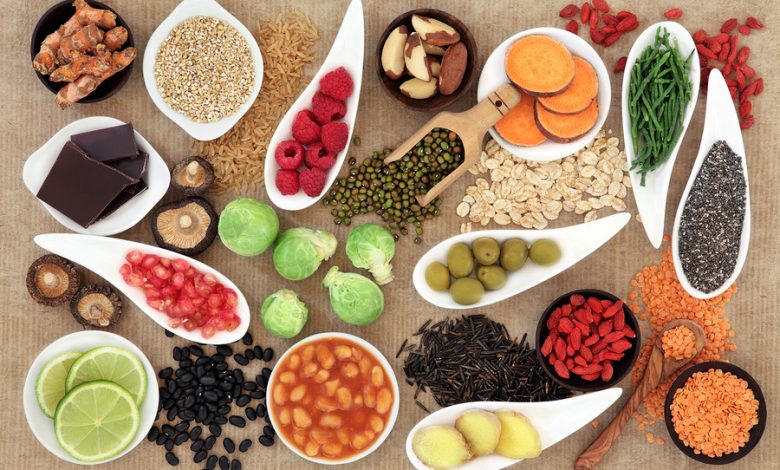
Nutrition is a cornerstone of human health, influencing every aspect of our physical and mental well-being. Proper nutrition provides the body with the essential nutrients it needs to function optimally, including vitamins, minerals, proteins, fats, and carbohydrates. In modern society, with the abundance of processed foods and sedentary lifestyles, understanding the science of nutrition has never been more critical. This article explores nutrition in depth, emphasizing evidence-backed principles, practical applications, and strategies for achieving long-term health.
The Fundamentals of Nutrition
Nutrition is the process by which the body ingests, digests, absorbs, and utilizes nutrients from food. These nutrients are categorized into macronutrients and micronutrients.
Macronutrients
Macronutrients provide the body with energy and the building blocks necessary for growth, repair, and maintenance.
1. Carbohydrates
Carbohydrates are the primary source of energy for the body, particularly the brain. They are classified into simple carbohydrates (sugars) and complex carbohydrates (starches and fiber). Complex carbohydrates, found in whole grains, legumes, and vegetables, are preferable because they provide sustained energy and support digestive health. Fiber, a type of carbohydrate, plays a critical role in regulating blood sugar, promoting satiety, and supporting gut microbiota.
2. Proteins
Proteins are composed of amino acids, which are essential for tissue repair, hormone production, and immune function. High-quality protein sources include lean meats, poultry, fish, eggs, dairy, legumes, and plant-based proteins like tofu and tempeh. Proteins also play a role in weight management by promoting satiety and supporting lean muscle mass during physical activity.
3. Fats
Dietary fats are essential for hormone regulation, nutrient absorption, and cellular integrity. Healthy fats, including monounsaturated and polyunsaturated fats, are found in foods like olive oil, nuts, seeds, and fatty fish. Omega-3 fatty acids, in particular, have anti-inflammatory properties and support cardiovascular and cognitive health. Saturated fats should be consumed in moderation, while trans fats should be avoided entirely due to their negative impact on heart health.
Micronutrients
Micronutrients, including vitamins and minerals, are required in smaller amounts but are crucial for metabolic processes, immune function, and disease prevention.
- Vitamins: These organic compounds, such as vitamin D, vitamin C, and B-complex vitamins, support various physiological functions including energy metabolism, immune response, and bone health.
- Minerals: Essential minerals like calcium, magnesium, iron, and zinc contribute to bone strength, oxygen transport, nerve signaling, and enzymatic reactions.
Hydration
Water is a vital nutrient that supports nearly every physiological function, from temperature regulation to waste removal. Adequate hydration is crucial for digestion, cognitive performance, and physical endurance. The general guideline is to consume approximately 2–3 liters of water per day, though individual needs vary based on activity level, climate, and health status.
The Role of Nutrition in Disease Prevention
A well-balanced diet is one of the most effective strategies for preventing chronic diseases. Nutritional patterns directly influence the risk of cardiovascular disease, type 2 diabetes, obesity, and certain cancers.
Cardiovascular Health
Diets rich in fruits, vegetables, whole grains, lean proteins, and healthy fats support heart health by reducing LDL cholesterol, lowering blood pressure, and preventing inflammation. Limiting processed foods, added sugars, and excessive sodium intake is critical for maintaining cardiovascular integrity.
Metabolic Disorders
Nutritional interventions play a pivotal role in preventing and managing metabolic disorders such as insulin resistance and type 2 diabetes. Diets emphasizing fiber-rich carbohydrates, lean proteins, and healthy fats help stabilize blood glucose levels and improve insulin sensitivity.
Bone and Muscle Health
Adequate intake of calcium, vitamin D, protein, and magnesium is essential for bone density and muscle function. These nutrients support skeletal strength and reduce the risk of osteoporosis and sarcopenia in aging populations.
Mental Health
Emerging research highlights the connection between nutrition and mental health. Omega-3 fatty acids, B-vitamins, magnesium, and antioxidants support neurotransmitter function, cognitive performance, and mood regulation. Diets high in processed foods and refined sugars have been linked to increased risk of depression and anxiety.
Evidence-Based Nutritional Strategies
Optimizing nutrition requires a personalized and evidence-based approach. Several dietary frameworks and strategies have demonstrated significant health benefits.
Balanced Plate Method
The balanced plate approach ensures proportional intake of macronutrients:
- Half the plate: vegetables and fruits
- One-quarter: lean protein
- One-quarter: whole grains
- Include a serving of healthy fats and hydration
This visual framework helps maintain calorie balance and nutrient density.
Nutrient Timing
Nutrient timing involves consuming certain nutrients at specific times to optimize energy, recovery, and performance. For instance, post-exercise protein intake aids muscle repair, while carbohydrates consumed before physical activity improve endurance.
Mindful Eating
Mindful eating emphasizes paying attention to hunger cues, portion sizes, and the sensory experience of food. This approach reduces overeating, enhances digestion, and supports a healthier relationship with food.
Personalized Nutrition
Individual genetic variations, microbiome composition, lifestyle factors, and medical conditions influence nutrient requirements. Personalized nutrition plans, informed by genetic testing or professional consultation, can optimize health outcomes and reduce the risk of nutrient deficiencies.
Nutrition Myths and Misconceptions
Despite abundant information, nutrition is often misunderstood. Addressing common myths can guide healthier choices.
- Myth 1: Carbs cause weight gain. Carbohydrates are not inherently fattening; excessive calories from any macronutrient can contribute to weight gain. Focus on quality and portion control.
- Myth 2: Fat is bad. Healthy fats are essential for cellular function, hormone balance, and nutrient absorption. Avoid trans fats, but include monounsaturated and polyunsaturated fats in the diet.
- Myth 3: Supplements can replace food. While supplements address deficiencies, they cannot replicate the synergistic benefits of whole foods. Nutrient-dense diets remain the cornerstone of health.
Special Considerations in Nutrition
Age and Life Stage
Nutrient requirements evolve across the lifespan. Children need protein, calcium, and iron for growth, while older adults require adequate vitamin D, B12, and protein to prevent age-related decline.
Lifestyle and Activity Level
Athletes or highly active individuals require higher energy and protein intake to support performance and recovery. Sedentary individuals must focus on nutrient density and portion control to prevent weight gain.
Dietary Restrictions and Preferences
Vegetarian, vegan, gluten-free, and other dietary patterns can meet nutritional needs if planned carefully. Plant-based diets should emphasize protein variety, vitamin B12, iron, and omega-3 fatty acids to prevent deficiencies.
Implementing a Nutrient-Rich Diet
Practical strategies make it easier to follow a nutrient-rich diet consistently:
- Plan meals ahead: Reduces reliance on processed foods.
- Prioritize whole foods: Fruits, vegetables, whole grains, and lean proteins.
- Incorporate variety: Ensures broad nutrient coverage.
- Limit added sugars and processed foods: Reduces inflammation and metabolic strain.
- Stay hydrated: Monitor urine color as a simple hydration indicator.
- Use cooking methods that preserve nutrients: Steaming, roasting, or sautéing rather than deep-frying.
Emerging Research in Nutrition
Recent studies have highlighted the importance of the gut microbiome, plant-based polyphenols, and personalized nutrition interventions in disease prevention and longevity. Functional foods, probiotics, and prebiotics are increasingly recognized for their role in maintaining digestive health and immune resilience. Nutrigenomics, the study of how genes and nutrients interact, offers promising insights for individualized dietary strategies.
Conclusion
Nutrition is a dynamic and evolving science that touches every aspect of health. By focusing on whole, nutrient-dense foods, balancing macronutrients and micronutrients, and considering individual needs, people can optimize physical and mental well-being, prevent chronic diseases, and improve quality of life. Implementing evidence-based nutritional strategies and staying informed about emerging research empowers individuals to make informed choices that support lifelong health.
FAQ
Q1: How can I ensure I am getting all essential nutrients from my diet?
Focus on variety, including multiple colors of fruits and vegetables, lean proteins, whole grains, and healthy fats. A diet that emphasizes minimally processed foods generally provides a broad spectrum of nutrients.
Q2: Are dietary supplements necessary for optimal health?
Supplements can help address deficiencies but should not replace whole foods. Prioritize nutrient-rich foods first, and consider supplementation only if recommended by a healthcare professional.
Q3: How does nutrition affect mental health?
Nutrients like omega-3 fatty acids, B-vitamins, magnesium, and antioxidants support neurotransmitter function and mood regulation. Diets high in processed foods can increase the risk of depression and cognitive decline.
Q4: Can personalized nutrition improve my health outcomes?
Yes. Personalized nutrition considers genetics, microbiome composition, lifestyle, and medical conditions to optimize nutrient intake, prevent deficiencies, and improve metabolic health.
Q5: What are practical ways to reduce added sugars in my diet?
Avoid sugary beverages, opt for natural sweeteners like fruit, read labels carefully, and limit processed snacks. Gradually adjusting taste preferences helps sustain long-term changes.
Q6: How important is meal timing for overall health?
While total nutrient intake matters most, meal timing can optimize energy levels, exercise performance, and recovery. Eating balanced meals throughout the day supports metabolism and satiety.
Q7: How can I maintain a healthy diet while eating out?
Choose dishes rich in vegetables, lean proteins, and whole grains. Control portion sizes, avoid fried foods and heavy sauces, and stay hydrated with water. Planning ahead and making mindful choices helps maintain nutritional balance.
This comprehensive approach to nutrition integrates scientific understanding, practical application, and personalized strategies to help individuals achieve lasting health benefits.