Nutrition
The Importance of Calcium and Vitamin D for Strong Bones and Healthy Teeth
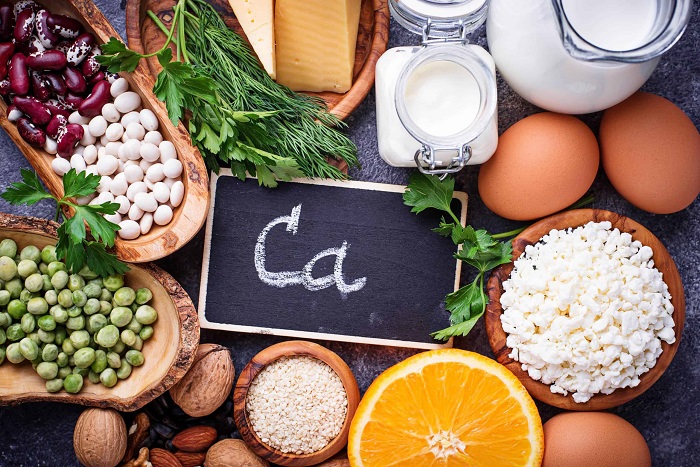
Most people grew up hearing that drinking milk builds strong bones, an adage repeated so often that it feels almost ornamental. Yet the physiological reality behind that childhood advice is anything but superficial. Human bone is not an inert, chalk-like scaffolding that permanently solidifies once adulthood arrives. It is a highly dynamic, living metabolic organ that undergoes constant microscopic teardown and reconstruction throughout an entire lifetime.
Within this perpetual remodeling cycle, no two nutrients play a more collaborative role than calcium and vitamin D. While calcium supplies the physical raw material that gives bones and teeth their compressive rigidity, vitamin D serves as the hormonal gatekeeper that permits calcium to enter the bloodstream and reach targeted tissues. Understanding how this biochemical partnership functions—and recognizing what happens when either component falls short—is essential for safeguarding mobility, structural independence, and oral health well into late adulthood.
The Mechanics of Mineralization: Calcium as the Structural Core
Calcium is the most abundant mineral in the human body, with roughly ninety-nine percent stored within the skeletal system and dental enamel. In bone tissue, calcium combines with phosphorus to form crystalline mineral complexes known as hydroxyapatite, which embed themselves into a supple framework of type I collagen fibers. This specialized architecture gives bones a unique mechanical balance: the collagen matrix provides tensile flexibility to absorb impact without snapping, while the hardened mineral deposit provides the rigidity required to bear weight.
However, the remaining one percent of systemic calcium plays an even more urgent biological role. Dissolved in blood serum and extracellular fluids, ionized calcium regulates cardiac muscle contractions, facilitates neuromuscular signaling, and controls enzymatic blood-clotting cascades.
Because cardiovascular rhythm and neuromuscular signaling take absolute survival precedence over bone density, the body enforces strict homeostatic control over serum calcium levels. When dietary calcium intake drops, the endocrine system responds immediately. The parathyroid glands secrete parathyroid hormone, which commands specialized bone-resorbing cells called osteoclasts to dissolve hydroxyapatite crystals and release stored calcium into the bloodstream. In effect, the skeleton functions as a physiological calcium reservoir. If the daily supply falls short, the body will methodically sacrifice bone and jaw integrity to keep the heart beating and nerves firing properly.
Vitamin D: The Indispensable Key to Absorption
Flooding the digestive tract with dietary calcium is functionally useless if the body cannot transport that mineral across the intestinal barrier. This is where vitamin D reveals its role not merely as a vitamin, but as a potent fat-soluble secosteroid hormone.
When synthesized in the skin via solar ultraviolet B radiation or absorbed through nutrition, vitamin D undergoes two essential hydroxylation steps: first in the liver, where it converts into calcidiol, and subsequently in the kidneys, where it transforms into its biologically active hormonal form, calcitriol.
Calcitriol binds directly to vitamin D receptors lining the epithelial cells of the small intestine. This interaction activates the genetic expression of calcium-binding transport proteins, primarily calbindin, which escort calcium ions across the gut wall and into the vascular circulation. In the absence of adequate calcitriol, the digestive tract can absorb only ten to fifteen percent of dietary calcium, allowing the remainder to pass unutilized through the colon. When vitamin D status is optimal, intestinal absorption efficiency surges to thirty to forty percent, fundamentally altering the body’s internal mineral balance.
Beyond intestinal transport, active vitamin D prevents unnecessary mineral loss at the renal level, signaling the kidneys to reabsorb filtered calcium before it can be excreted in urine. Together, these mechanisms preserve systemic mineral pools without requiring the body to cannibalize its own structural foundations.
Defending Dental Architecture: Enamel, Dentin, and Periodontal Stability
While teeth share many biochemical characteristics with bone, their biological behavior differs in critical ways that make early and consistent mineral nutrition paramount.
Enamel, the translucent outer shell of the tooth, is the hardest substance in the human body, composed of more than ninety-five percent mineralized hydroxyapatite. Unlike skeletal bone, tooth enamel contains no living cells and cannot remodel or repair itself once a tooth erupts. However, it exists in an ongoing chemical equilibrium with saliva. When dietary calcium and vitamin D levels are sufficient, saliva stays saturated with bioavailable minerals, constantly driving surface remineralization to neutralize microscopic acid erosion caused by dietary acids and plaque bacteria.
Beneath the enamel lies dentin, a softer, living tissue rich in microscopic tubules that connect directly to the dental pulp. Dentin retains a modest regenerative capacity, drawing upon systemic calcium to form reparative barriers when decay or physical trauma threatens the nerve.
Equally critical is the role these nutrients play beneath the gumline. Teeth are anchored into the jaw by the alveolar bone, a specialized bone structure that undergoes rapid turnover in response to the mechanical pressures of chewing. When systemic calcium or vitamin D is chronically deficient, the alveolar bone thins rapidly, undermining the foundational support of the tooth roots. Furthermore, vitamin D acts as a powerful local immunomodulator in oral tissues, stimulating the production of antimicrobial peptides that suppress periodontal pathogens and curb the chronic gum inflammation responsible for soft-tissue recession and tooth mobility.
The Skeletal Remodeling Timeline Across the Lifespan
The relationship between nutrient intake and skeletal density changes across different stages of life, governed by the shifting balance between osteoblasts, which synthesize new bone, and osteoclasts, which break it down.
Building Peak Bone Mass
During childhood and adolescence, bone modeling dramatically outpaces resorption. The body actively expands both the outer circumference and internal trabecular density of the skeleton. This period of rapid accumulation culminates in what clinicians term peak bone mass, typically reached between the late teens and late twenties.
The density accumulated during this formative window acts as a lifelong structural retirement fund. An individual who maximizes their peak bone mass enters adulthood with a substantial buffer against subsequent age-related declines. Ensuring consistent calcium and vitamin D availability during youth is one of the most effective long-term hedges against future fractures.
Mitigating Age-Related Atrophy
Once peak bone mass is established, bone turnover transitions into maintenance mode. Starting around the fourth decade of life, the natural balance subtly tilts: resorption slightly outpaces new bone synthesis.
This gradual attrition accelerates significantly in women during the menopausal transition, as declining estrogen levels trigger prolonged osteoclast hyperactivity. Without proactive intervention, trabecular architecture becomes porous and brittle, progressing from osteopenia to osteoporosis—a condition characterized by an elevated vulnerability to debilitating hip, vertebral, and wrist fractures. Ensuring steady mineral availability helps preserve structural microarchitecture and dramatically slows the velocity of age-related bone thinning.
Maximizing Bioavailability Through Nutrient Synergy and Daily Habits
Translating biological knowledge into daily life requires looking beyond single-nutrient solutions. Achieving resilient skeletal and oral health demands thoughtful attention to dietary diversity, co-factors, and mechanical stimulus.
Navigating Dietary Calcium and Bioavailability
Dietary calcium should ideally come from whole-food sources rather than isolated megadoses. While dairy products like yogurt, kefir, and aged cheeses offer high concentrations of easily absorbed calcium, non-dairy options provide excellent alternatives:
-
Canned wild salmon and sardines, eaten with their soft, edible bones, deliver both dense calcium and bioavailable vitamin D.
-
Low-oxalate cruciferous vegetables, such as bok choy, kale, and broccoli, possess an exceptionally high absorption rate, often exceeding the absorption percentage of cow’s milk.
-
Fortified plant milks and calcium-set tofu offer substantial mineral volume for plant-based diets.
Conversely, it is wise to be mindful of dietary inhibitors. High-oxalate greens like raw spinach and beet greens bind tightly to calcium in the digestive tract, rendering much of it unabsorbable. Separating high-calcium meals from heavy coffee or high-sodium foods also helps prevent excess urinary calcium excretion.
Overcoming the Vitamin D Deficit
Unlike calcium, obtaining sufficient vitamin D exclusively through whole foods is notoriously difficult. While wild-caught fatty fish, egg yolks, and UV-exposed mushrooms provide modest amounts, the human body was designed to produce the vast majority of its vitamin D through sun exposure.
However, modern lifestyle factors—sedentary indoor office work, northern latitudes, winter seasonality, and necessary sun protection—have created widespread subclinical deficiency across all demographics. For many individuals, daily or weekly supplementation with vitamin D3 (cholecalciferol), paired with periodic blood serum testing, provides the most consistent and measurable safeguard against seasonal and systemic depletion.
The Essential Supporting Cast: Magnesium and Vitamin K2
Calcium and vitamin D do not work in isolation. Two additional co-factors are vital for optimal mineral utilization:
-
Magnesium: Every enzyme that converts vitamin D into its active hormonal form requires bioavailable magnesium as a chemical cofactor. Without adequate magnesium from seeds, nuts, and legumes, supplementary vitamin D remains largely inactive and functionally dormant.
-
Vitamin K2: Once vitamin D shuttles calcium into the bloodstream, vitamin K2 activates osteocalcin, a non-collagenous protein that directly binds calcium ions to the bone matrix. Simultaneously, K2 activates matrix Gla-protein, which prevents circulating calcium from settling into vascular walls, ensuring that calcium strengthens bones and teeth rather than calcifying arterial tissue.
The Power of Mechanical Loading
Finally, biochemical nutrition must be paired with physical stimulus. Under Wolff’s law, bone tissue remodels and densifies directly in response to the physical stresses placed upon it. Resistance training with free weights, bodyweight gymnastics, and high-impact activities like running or brisk walking generate mechanical strain that activates osteocytes. These specialized sensor cells detect structural loading and signal the bone to pull circulating calcium from the bloodstream to reinforce stressed areas.
A resilient skeletal and dental framework is not built through passive chance, nor can it be restored overnight once severe mineral loss occurs. It is maintained through the quiet, cumulative impact of daily biological habits: consuming bioavailable minerals, sustaining robust hormonal vitamin D levels, and subjecting the body to purposeful physical loading. By treating calcium and vitamin D as indispensable lifetime partners, you build an enduring physical foundation capable of supporting vitality, comfort, and independent movement for decades to come.