
Understanding Diseases: Causes, Mechanisms, and Modern Management
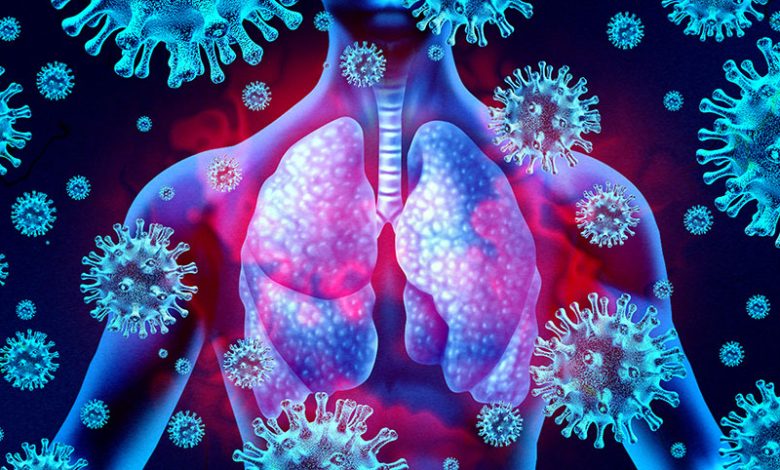
Diseases remain one of the most critical challenges to human health, affecting millions globally. The term disease refers to a condition that impairs normal bodily functions, often characterized by specific signs and symptoms. Understanding diseases is vital for developing effective treatments, preventive strategies, and healthcare policies. This article provides a detailed exploration of diseases, their causes, types, mechanisms, and contemporary management approaches.
Causes of Disease
Diseases can arise from a variety of causes, often categorized into infectious and non-infectious origins. Each type has unique characteristics, mechanisms, and implications for treatment.
Infectious Diseases
Infectious diseases are caused by pathogenic microorganisms such as bacteria, viruses, fungi, and parasites. These pathogens invade the body, multiply, and disrupt normal physiological processes.
- Bacterial Infections: Caused by bacteria such as Escherichia coli, Streptococcus, and Mycobacterium tuberculosis, these infections can range from mild illnesses like strep throat to life-threatening conditions like tuberculosis.
- Viral Infections: Viruses like influenza, HIV, and SARS-CoV-2 hijack host cells to replicate, often triggering immune responses that cause symptoms.
- Fungal Infections: Fungi such as Candida and Aspergillus can infect skin, nails, and internal organs, particularly in immunocompromised individuals.
- Parasitic Infections: Organisms like Plasmodium (malaria) and Giardia invade the host and extract nutrients, leading to chronic illnesses if untreated.
Non-Infectious Diseases
Non-infectious diseases are not caused by pathogens but often arise from genetic, environmental, or lifestyle factors.
- Genetic Disorders: Inherited conditions like cystic fibrosis, sickle cell anemia, and Huntington’s disease result from mutations in DNA that disrupt normal cellular functions.
- Autoimmune Diseases: Disorders such as rheumatoid arthritis, lupus, and multiple sclerosis occur when the immune system mistakenly attacks healthy tissues.
- Chronic Lifestyle Diseases: Conditions like diabetes, hypertension, and cardiovascular diseases often result from prolonged unhealthy habits including poor diet, physical inactivity, and smoking.
- Degenerative Diseases: Disorders such as Alzheimer’s disease and Parkinson’s disease involve progressive deterioration of tissues or organs over time.
Mechanisms Behind Disease Development
Understanding the biological mechanisms of disease helps in identifying effective treatments and preventive measures.
Pathogen-Induced Mechanisms
- Invasion and Colonization: Pathogens breach host barriers (skin, mucosa) and establish infection.
- Toxin Production: Some bacteria and viruses produce toxins that damage host cells, for example, Clostridium botulinum produces botulinum toxin.
- Immune Evasion: Many pathogens evade immune detection, allowing chronic infections such as HIV and hepatitis B.
Genetic and Molecular Mechanisms
- Gene Mutations: Single-gene disorders, polygenic traits, and chromosomal abnormalities can disrupt normal cellular pathways.
- Protein Misfolding: In diseases like Alzheimer’s, abnormal protein folding leads to accumulation of plaques and neurodegeneration.
- Epigenetic Modifications: Environmental factors can alter gene expression without changing DNA sequence, contributing to cancer, metabolic disorders, and cardiovascular disease.
Environmental and Lifestyle Mechanisms
- Toxic Exposure: Long-term exposure to pollutants, chemicals, or radiation can damage cells and increase disease risk.
- Lifestyle Factors: Obesity, smoking, excessive alcohol consumption, and chronic stress can trigger metabolic imbalances, leading to conditions like type 2 diabetes and heart disease.
- Nutritional Deficiencies: Lack of essential nutrients such as vitamins, minerals, and amino acids can impair immune function and organ health.
Types of Diseases
Diseases can be classified based on their nature, duration, and organ systems affected.
Acute vs. Chronic
- Acute Diseases: Develop rapidly and last for a short duration, such as influenza or appendicitis.
- Chronic Diseases: Persist over long periods, often requiring lifelong management, such as diabetes and osteoarthritis.
Systemic vs. Localized
- Systemic Diseases: Affect multiple organs or the entire body, e.g., lupus or sepsis.
- Localized Diseases: Confined to a specific organ or tissue, such as pneumonia in the lungs or dermatitis on the skin.
Congenital vs. Acquired
- Congenital Diseases: Present at birth due to genetic or developmental anomalies, like congenital heart defects.
- Acquired Diseases: Develop after birth due to infections, lifestyle, or environmental factors, such as hepatitis or type 2 diabetes.
Diagnosis and Detection
Accurate diagnosis is essential for effective treatment. Medical professionals use a combination of clinical evaluation, laboratory tests, and imaging techniques.
- Clinical Examination: Involves patient history, symptom assessment, and physical evaluation.
- Laboratory Tests: Blood tests, urine analysis, and microbiological cultures help identify pathogens and biochemical abnormalities.
- Imaging Techniques: X-rays, MRI, CT scans, and ultrasounds provide visual insights into organ structure and function.
- Genetic Testing: Identifies mutations linked to hereditary diseases and informs personalized treatment plans.
Treatment and Management
Treatment strategies depend on the type, severity, and underlying cause of the disease.
Pharmacological Interventions
- Antibiotics: Target bacterial infections, but resistance remains a significant challenge.
- Antivirals: Used against viral infections like HIV, influenza, and hepatitis.
- Immunosuppressants: Manage autoimmune diseases by reducing immune system activity.
- Chemotherapy: Treats cancers by targeting rapidly dividing cells.
Lifestyle and Preventive Measures
- Dietary Modifications: Nutrient-rich diets help manage metabolic and cardiovascular diseases.
- Exercise and Physical Activity: Reduces obesity, enhances cardiovascular health, and boosts immune function.
- Vaccination: Prevents infectious diseases and reduces disease severity.
- Stress Management: Mindfulness, yoga, and therapy can alleviate chronic disease risks.
Surgical and Advanced Interventions
- Surgery: Corrects structural anomalies, removes tumors, or repairs organ damage.
- Gene Therapy: Emerging treatments aim to correct genetic defects at the DNA level.
- Stem Cell Therapy: Potential regenerative approach for degenerative diseases and tissue repair.
Prevention Strategies
Preventing disease is often more effective and cost-efficient than treatment.
- Hygiene Practices: Handwashing, sanitation, and infection control reduce pathogen spread.
- Regular Health Screenings: Early detection of conditions like cancer, diabetes, and hypertension improves outcomes.
- Vaccinations and Immunizations: Protect against preventable infectious diseases.
- Healthy Lifestyle Choices: Balanced diet, regular exercise, avoiding tobacco and alcohol, and stress management.
Impact on Society and Public Health
Diseases extend beyond individual health, influencing economic productivity, healthcare systems, and societal structures.
- Economic Burden: Chronic diseases require long-term care, increasing medical costs and loss of workforce productivity.
- Healthcare System Strain: Epidemics and pandemics can overwhelm healthcare facilities, as seen during COVID-19.
- Social and Psychological Impact: Disease can lead to stigma, mental health challenges, and reduced quality of life.
Future Directions in Disease Management
Scientific advancements continue to transform how diseases are understood and managed.
- Precision Medicine: Tailoring treatment based on genetic, environmental, and lifestyle factors for better outcomes.
- Artificial Intelligence in Diagnosis: AI-driven tools can detect diseases earlier and suggest optimized treatment plans.
- Telemedicine: Enhances access to healthcare, especially in remote or underserved regions.
- Vaccine Innovation: Development of next-generation vaccines targeting emerging pathogens.
Frequently Asked Questions (FAQs)
1. How do infectious and non-infectious diseases differ?
Infectious diseases are caused by pathogens like bacteria and viruses, while non-infectious diseases result from genetic, lifestyle, or environmental factors.
2. Can lifestyle changes prevent chronic diseases?
Yes, adopting a healthy diet, regular physical activity, and stress management can significantly reduce the risk of chronic diseases.
3. What role do genetics play in disease susceptibility?
Genetics determine predisposition to certain conditions, including inherited disorders and the likelihood of developing diseases like cancer or diabetes.
4. How are emerging technologies improving disease management?
Technologies such as AI, gene therapy, and telemedicine enhance early diagnosis, personalized treatments, and healthcare access.
5. Are all diseases treatable?
While many diseases can be managed or cured, some chronic and degenerative conditions may require ongoing care rather than complete eradication.
6. How important is early detection in disease outcomes?
Early detection through screenings and diagnostics significantly improves treatment effectiveness and overall prognosis.
7. What is the connection between mental health and physical diseases?
Chronic stress, depression, and anxiety can weaken the immune system, exacerbate chronic conditions, and increase susceptibility to illnesses.
Diseases are complex phenomena influenced by genetics, environment, pathogens, and lifestyle factors. Understanding their causes, mechanisms, and management strategies is crucial for effective healthcare, prevention, and public health planning. By integrating scientific knowledge with proactive health measures, individuals and societies can mitigate the burden of diseases and enhance overall wellbeing.
This comprehensive approach highlights the importance of medical research, lifestyle optimization, and healthcare innovation in combating the challenges posed by both infectious and non-infectious diseases.


