Health
Crafting Serenity: A Guide to Cultivating a Relaxing and Healthy Home Environment
In the hustle and bustle of daily life, our homes serve as sanctuaries where we seek refuge and rejuvenation. Creating a relaxing and healthy home environment involves intentional choices that promote well-being and tranquility. In this guide, we’ll explore practical steps to transform your living space into a haven of calm and vitality.
- Declutter and Simplify: A cluttered space can contribute to feelings of stress and overwhelm. Begin by decluttering your home, parting with items that no longer serve a purpose or bring joy. Embrace minimalism and keep only the essentials, creating an open and serene atmosphere.
- Natural Light and Ventilation: Maximize natural light in your home to create a bright and uplifting ambiance. Open curtains and blinds during the day to let sunlight in. Adequate ventilation is equally important; fresh air can enhance mood and contribute to a healthier living environment.
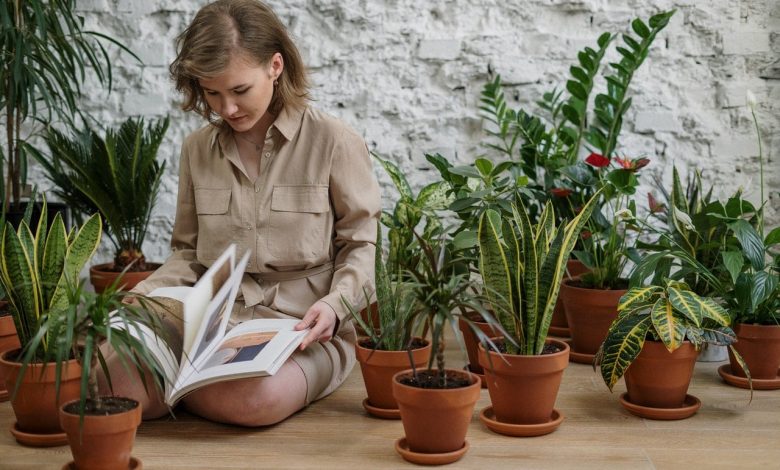
- Bring Nature Indoors: Incorporating plants into your living space not only adds a touch of greenery but also contributes to improved air quality. Plants such as snake plants, pothos, and peace lilies are known for their air-purifying qualities, enhancing both the aesthetic and health aspects of your home.
- Mindful Color Palette: The colors in your home can significantly impact your mood. Choose a color palette that promotes relaxation and tranquility. Soft blues, greens, and neutral tones are often associated with a calming atmosphere, while avoiding overly stimulating colors in areas meant for rest.
- Create Comfortable Zones: Designate specific areas for different activities, creating comfortable zones tailored to their purpose. For instance, a cozy reading nook with soft cushions and good lighting, or a serene bedroom retreat with comfortable bedding, can enhance the functionality and relaxation of each space.
- Invest in Quality Bedding: Quality sleep is fundamental to overall well-being. Invest in comfortable and breathable bedding to create a restful sleep environment. Choose natural fabrics like cotton or linen for sheets and invest in a supportive mattress and pillows for a good night’s sleep.
- Mindful Technology Use: Limit the use of electronic devices, especially in bedrooms. The blue light emitted by screens can interfere with sleep patterns. Establish tech-free zones and consider implementing a digital curfew in the evening to promote relaxation before bedtime.
- Aromatherapy with Essential Oils: Harness the power of aromatherapy to create a calming atmosphere. Essential oils like lavender, chamomile, and eucalyptus can be diffused or used in scented candles to promote relaxation and reduce stress levels in your home.
- Incorporate Relaxing Sounds: Consider incorporating soothing sounds like nature sounds, gentle music, or white noise to create a calming background ambiance. This can be especially beneficial in promoting relaxation during activities like meditation or winding down before sleep.
- Promote Hydration: Keep your home well-hydrated by incorporating elements like indoor fountains or decorative water features. Adequate hydration is not only essential for your health but can also contribute to a serene and refreshing atmosphere.
- Functional and Organized Spaces: Ensure that each space in your home is organized and serves a functional purpose. An organized home not only reduces stress but also makes it easier to navigate your daily activities, fostering a sense of control and well-being.
By integrating these practical steps, you can transform your living space into a haven of relaxation and vitality. Crafting a healthy home environment involves intentional choices that prioritize both physical and mental well-being. As you embark on this journey, let your home become a reflection of your commitment to a life filled with serenity and health.