Health
Understanding the Health Benefits of Eating Fresh and Seasonal Foods Regularly
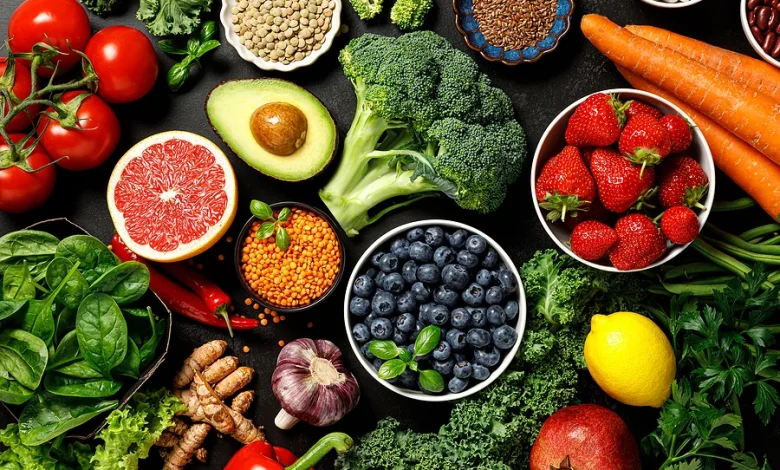
Step into any modern American supermarket in the dead of winter, and you are greeted by an extraordinary illusion: flawless strawberries, crisp asparagus stalks, and towering pyramids of glossy red tomatoes. Industrial agriculture and transcontinental logistics have successfully abolished geographical and seasonal constraints. Yet this round-the-clock availability has come at an unrecognized biological cost. While this system keeps grocery shelves stocked year-round, it systematically severs our connection to the nutritional richness that nature provides when crops are grown and eaten within their natural seasons.
Eating fresh, seasonal food is far more than a lifestyle trend or culinary preference. It represents a foundational pillar of preventive health. By aligning our diets with regional harvest cycles, we provide our bodies with produce at the height of its biochemical potency, support the complex ecosystem of the human gut, and re-establish a metabolic harmony that industrialized food systems have steadily eroded.
The Cost of the Perpetual Harvest: How Storage and Transport Deplete Nutrients
To understand why seasonal eating matters, one must examine what happens when food is forced to travel across continents. Produce destined for long-distance transport is routinely harvested weeks before physiological maturity. Commercial growers harvest stone fruit, tomatoes, and melons when they are hard, green, and completely unripened so the skins can survive mechanical sorting, packaging, and refrigerated freight.
Plants synthesize critical vitamins, minerals, and protective phytonutrients during their final days on the vine or tree, drawing essential compounds from the soil and utilizing direct sunlight. When a piece of produce is severed from its life source prematurely, that biochemical factory abruptly shuts down. Although artificial ripening agents like ethylene gas can turn a green tomato red, they cannot replicate the intricate synthesis of secondary plant metabolites that occur under genuine solar radiation.
Furthermore, micronutrients begin to degrade the moment a crop is harvested. Water-soluble vitamins, particularly vitamin C and the B-complex vitamins, are notoriously unstable, breaking down rapidly when exposed to heat, oxygen, and artificial indoor light. Delicate crops like spinach, green beans, and broccoli can lose more than half of their active vitamin content within a few days of cold storage. By the time an out-of-season vegetable reaches your dinner table after weeks in transit and distribution centers, its caloric profile remains largely intact, but its micronutrient density has been heavily compromised.
Peak Ripening and the Chemistry of Plant Defense Mechanisms
Plants do not generate vitamins, pigments, and polyphenols for our benefit; they produce them as sophisticated chemical defenses against ultraviolet radiation, microbial pathogens, insect infestations, and climate fluctuations. When a plant matures outdoors under natural seasonal stressors, it responds by manufacturing concentrated bursts of protective compounds:
-
Flavonoids and polyphenols: Powerful cellular protectants that give plants their distinct bitterness, astringency, and resilience against environmental oxidative stress.
-
Carotenoids: Deep red, orange, and yellow pigments that protect plant cells from intense solar radiation and convert into bioavailable antioxidants in the human body.
-
Glucosinolates: Sulfur-rich compounds found in brassica vegetables that serve as a natural pest deterrent and actively support cellular detoxification in humans.
When you consume produce grown in its proper season and harvested at peak ripeness, you ingest these protective compounds at their absolute maximum concentration. These plant compounds act as mild physiological stressors in humans, triggering cellular repair pathways, lowering oxidative damage, and bolstering metabolic resilience.
Microbiome Diversity Through Natural Seasonal Cycling
The human gastrointestinal tract is home to trillions of microorganisms that dictate immune responses, mental clarity, endocrine balance, and metabolic health. One of the primary drivers of microbial dysbiosis in modern society is dietary monotony. Despite the visual abundance in modern grocery stores, the standard Western diet relies on a surprisingly narrow rotation of the exact same agricultural commodities week after week, year-round.
Historically, the human gut adapted to constant ecological fluctuation. As the seasons shifted, the types of fibers, starches, and polyphenols entering the digestive tract changed dramatically. Spring brought wild bitter greens and tender alliums; summer delivered wild berries and succulent squash; autumn and winter yielded dense tubers, root crops, and preserved brassicas.
Each distinct plant family provides unique prebiotic fibers that nourish distinct microbial taxa. Engaging in seasonal eating introduces an automatic, rolling rotation of dietary fibers throughout the year. This constant variation prevents any single bacterial species from dominating the intestinal lumen, encourages diverse microbial colonization, and helps maintain a robust mucosal barrier against systemic inflammation.
Evolutionary Alignment: Matching Nutrition to Physiological Demands
Human physiology does not operate on a flat baseline throughout the calendar year; our hydration status, thermoregulatory requirements, and caloric needs fluctuate with the weather. Intriguingly, seasonal agricultural cycles mirror these physiological shifts with remarkable precision.
Summer Hydration and Cellular Photoprotection
During high-heat months, the human body loses fluid and vital minerals rapidly through perspiration, while skin cells face increased exposure to solar ultraviolet radiation. Summer crops naturally offer an ideal physiological antidote:
-
High water volume: Melons, cucumbers, summer squashes, and stone fruits consist of over ninety percent cellular water, providing sustained hydration along with gentle natural sugars.
-
Electrolyte replenishment: These warm-weather crops are naturally saturated with bioavailable potassium and magnesium, which assist in intracellular hydration and neuromuscular function.
-
Photoprotective pigments: Tomatoes, watermelons, and red peppers are exceptionally dense in lycopene and beta-carotene, fat-soluble antioxidants that accumulate in dermal tissue and provide systemic defense against ultraviolet-induced oxidative stress.
Winter Sustenance and Immune Support
When ambient temperatures plunge, energy expenditure rises to maintain internal core heat, and the prevalence of airborne respiratory pathogens increases. The earth responds with dense, hardy produce tailored to cold-weather demands:
-
Complex starches: Root vegetables like sweet potatoes, parsnips, turnips, and winter squashes provide slow-burning complex carbohydrates that deliver steady energy and support thyroid function during cold snaps.
-
Immune-supportive nutrients: Winter squashes and dark leafy greens supply high levels of vitamin A precursors, essential for maintaining the mucosal membranes that line the respiratory tract.
-
Cold-weather resilience: Hardier crops like kale and cabbage actually produce more protective sugars and secondary metabolites after a frost, lending them both a sweeter flavor and an enhanced concentration of immunomodulatory nutrients.
Minimizing Chemical Exposure and Restoring Natural Flavor
Out-of-season agriculture relies heavily on artificial interventions to mimic natural conditions. Heated industrial greenhouses require intensive inputs, while produce grown thousands of miles away requires post-harvest chemical washes, synthetic waxes, and fungicides to suppress mold and rot during maritime shipping.
Conversely, crops cultivated within their natural geographic window require far fewer synthetic interventions to thrive. Purchasing regional, seasonal produce minimizes your exposure to synthetic preservatives and protective waxes designed solely to keep aging food looking presentable on grocery store displays.
Moreover, there is an inseparable connection between flavor and nutrient density. The human palate did not evolve to enjoy high-calorie junk food; our taste buds originally developed to identify foods rich in minerals, natural sugars, and aromatic compounds. The vibrant, deep flavor of an heirloom tomato picked in August or a crisp apple harvested in October is direct sensory evidence of high brix levels, rich organic acids, and abundant mineral content. When food possesses genuine, natural flavor, healthy eating ceases to be an exercise in dietary restriction and becomes an intuitive, deeply satisfying experience.
Sustaining a Seasonal Kitchen in Modern Daily Life
Transitioning to a seasonal diet does not require rigid dogma or completely eliminating imported staples like olive oil, coffee, or citrus. Instead, it invites a deliberate shift in how you plan meals, prioritizing what is abundant and local before reaching for distant alternatives:
-
Learn regional growing calendars: Familiarize yourself with what your specific climate zone produces during each quarter of the year.
-
Engage local producers: Frequent municipal farmers markets or subscribe to a Community Supported Agriculture share, which delivers a box of freshly harvested, regionally grown produce directly to your neighborhood each week.
-
Embrace the beauty of rotation: Allow certain ingredients to leave your plate for months at a time. The temporary absence of fresh berries in January makes their return in June an authentic culinary joy rather than an unremarkable background commodity.
-
Supplement strategically: When local options become scarce during mid-winter freezes, prioritize high-quality frozen produce. Flash-frozen vegetables are typically harvested at peak ripeness and processed within hours, preserving significantly higher vitamin concentrations than out-of-season fresh produce that has spent weeks in transit.
Health is fundamentally an ongoing conversation between human biology and the surrounding environment. By honoring the natural cadence of seasonal produce, we move away from the nutrient-depleted uniformity of industrial agriculture and supply our bodies with the precise, high-potency fuel they evolved to thrive upon.